
Refinishing Furniture: Strategic Business Value
The Strategic Value of Wooden Furniture Refinishing: Maximizing ROI and Advancing ESG Goals
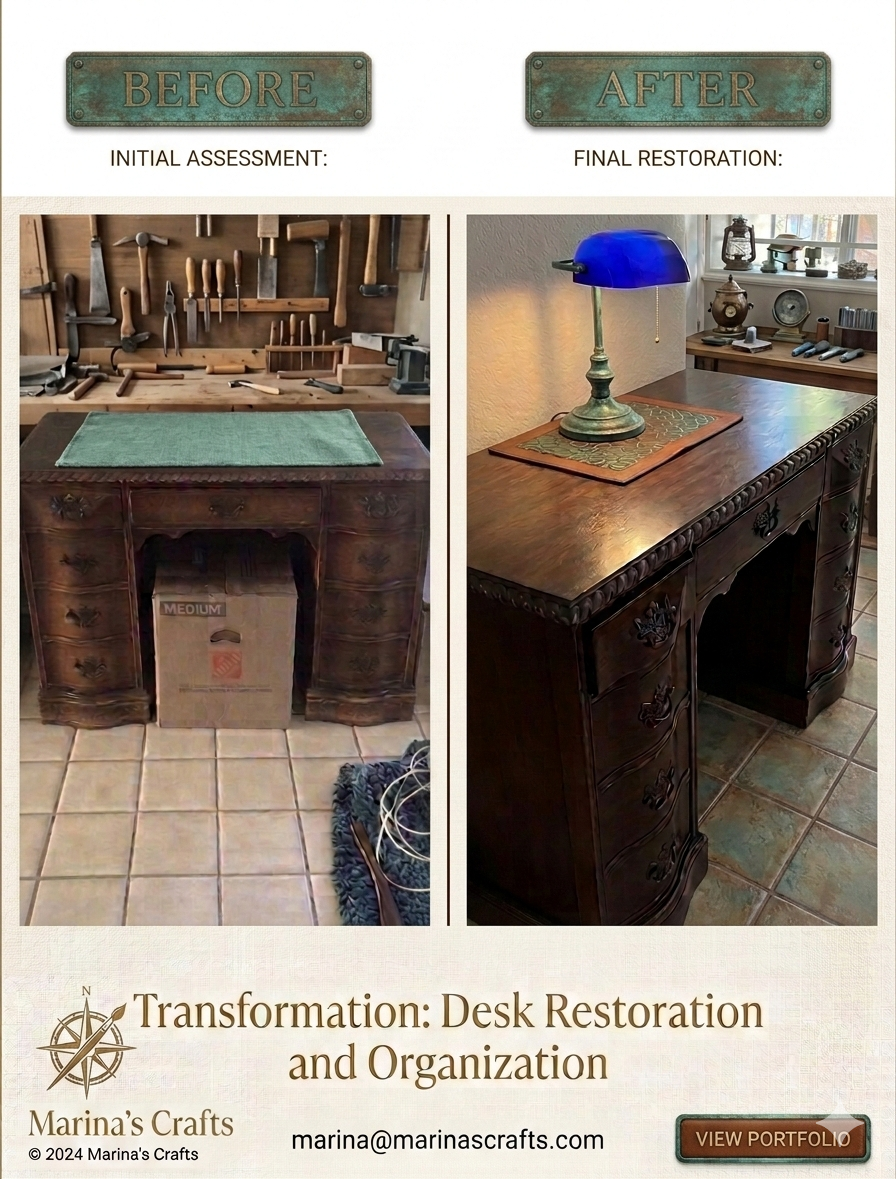
For modern executives, managing facility assets often presents a choice between high capital expenditures and compromising on workplace aesthetics. When it comes to corporate workspaces, hospitality venues, or executive suites, wooden furniture is a significant investment. However, instead of engaging in the costly cycle of replacing aging assets, forward-thinking organizations are turning to professional furniture refinishing.
This approach is no longer just a maintenance tactic; it is a strategic business decision that sits at the intersection of financial prudence, corporate sustainability, and brand identity.
The Financial Imperative: Significant Cost Savings
The most immediate advantage of refinishing over replacing is the bottom-line impact. Purchasing new commercial-grade wooden furniture requires substantial capital expenditure (CapEx). Refinishing transforms this process into a highly manageable operational expense.
Cost Reduction: Refinishing typically costs 30% to 50% less than purchasing new pieces of comparable quality.
Tax Advantages: In many jurisdictions, maintenance and repair costs (like refinishing) can be deducted immediately, whereas new furniture must be depreciated over several years.
Minimized Downtime: Lead times for custom commercial furniture can stretch into months. Refinishing can often be completed locally or on-site, drastically reducing operational disruptions.






Driving Corporate Sustainability (ESG)
Environmental, Social, and Governance (ESG) initiatives are critical to modern corporate strategy. Refinishing existing assets is a tangible, measurable way to demonstrate a commitment to environmental stewardship.
Waste Reduction: Millions of tons of furniture end up in landfills annually. Refinishing keeps perfectly functional assets in the circular economy.
Lower Carbon Footprint: Manufacturing new furniture involves harvesting raw materials, global shipping, and energy-intensive production. Refinishing drastically cuts carbon emissions by relying on local labor and existing materials.
Forest Conservation: By extending the life of solid wood and high-quality veneers, organizations directly reduce the demand for newly harvested timber.
A Strategic Comparison: Refinishing vs. Replacing
Strategic FactorPurchasing New FurnitureProfessional RefinishingCapital OutlayHigh (Full replacement cost)Low to Moderate (Fraction of new cost)Lead Time8 to 16+ weeks (Supply chain dependent)1 to 4 weeks (Locally managed)Environmental ImpactHigh (Manufacturing, shipping, waste)Low (Extends asset lifecycle, reduces waste)CustomizationLimited to current market trendsHigh (Can match exact corporate color palettes)
Preserving Brand Identity and Workplace Culture
The physical environment of a business speaks volumes to both clients and employees. Scratched, faded, or visibly worn furniture subtly communicates neglect, while a pristine environment projects competence and attention to detail.
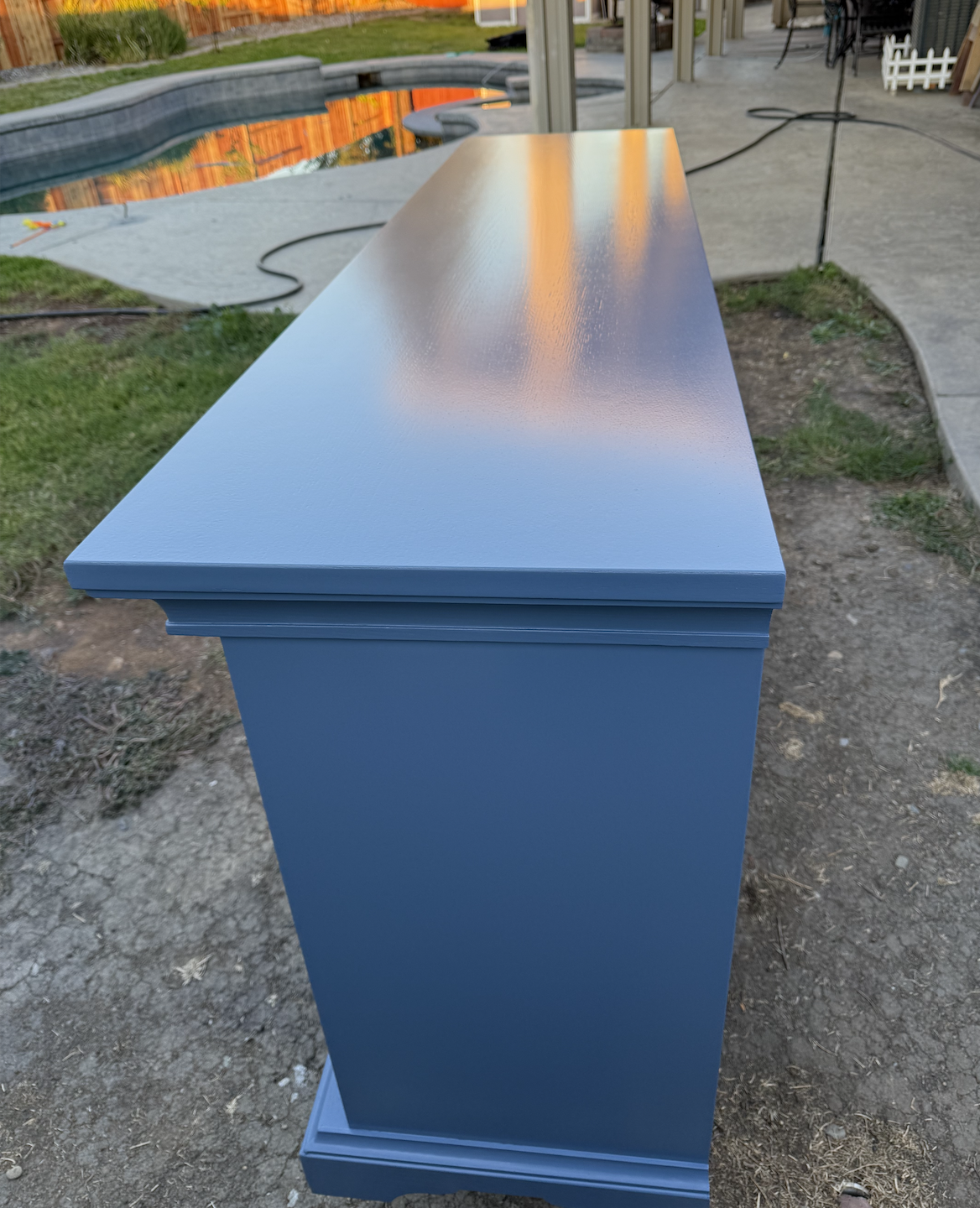
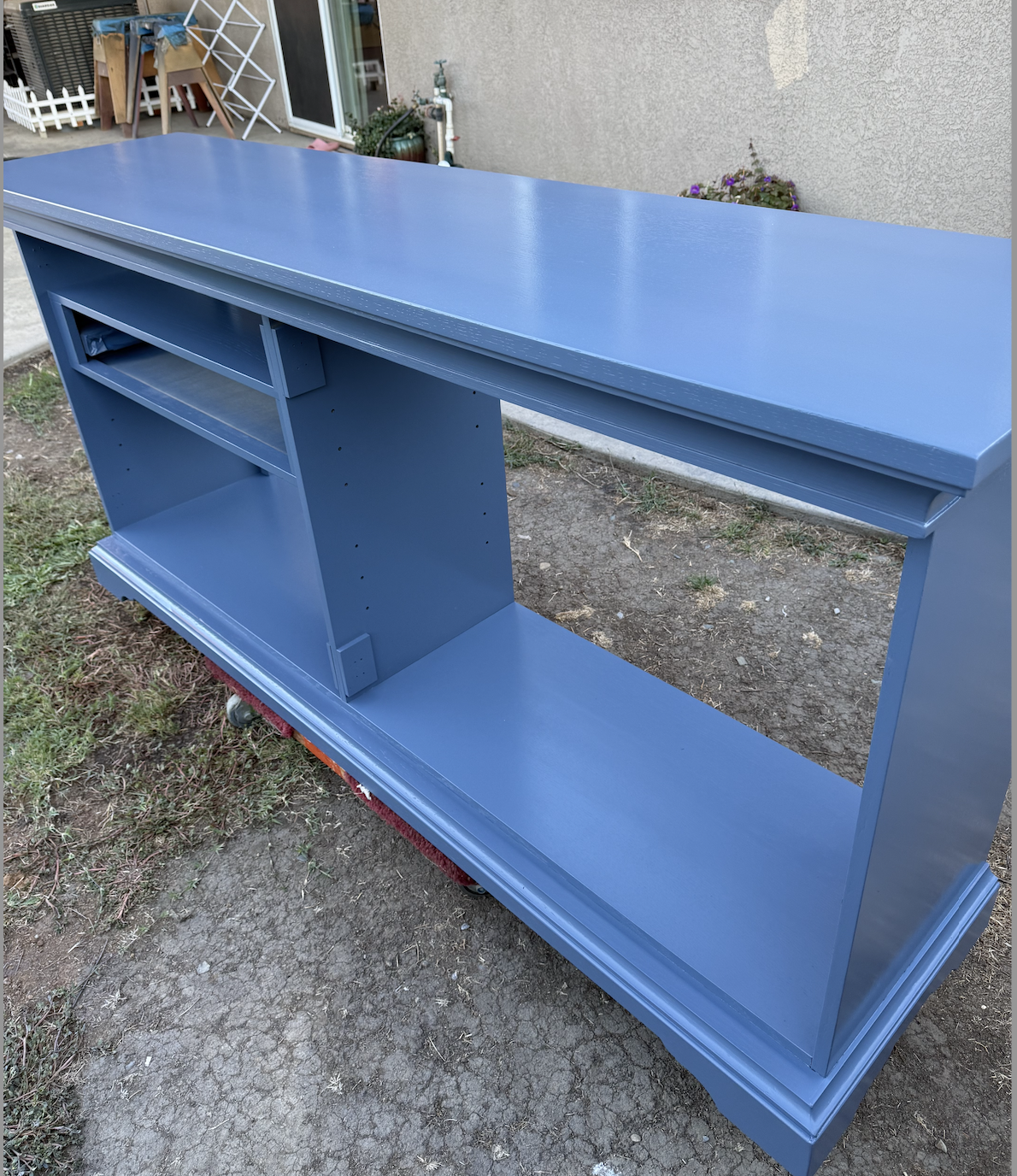
Enhancing Brand Perception: A well-maintained executive boardroom or lobby reinforces a premium brand image to visiting stakeholders. Refinishing allows companies to seamlessly update the stain or finish to match rebranding efforts or modern design trends without losing the underlying asset.
Unmatched Quality: Older wooden furniture was often built with superior craftsmanship, tighter grain woods, and robust joinery that is difficult or prohibitively expensive to replicate today. Refinishing preserves this legacy quality while updating its aesthetic.
Employee Morale: A polished, intentional workspace contributes to employee satisfaction and productivity. Upgraded surroundings signal that the company values its people and their working environment.


The Bottom Line
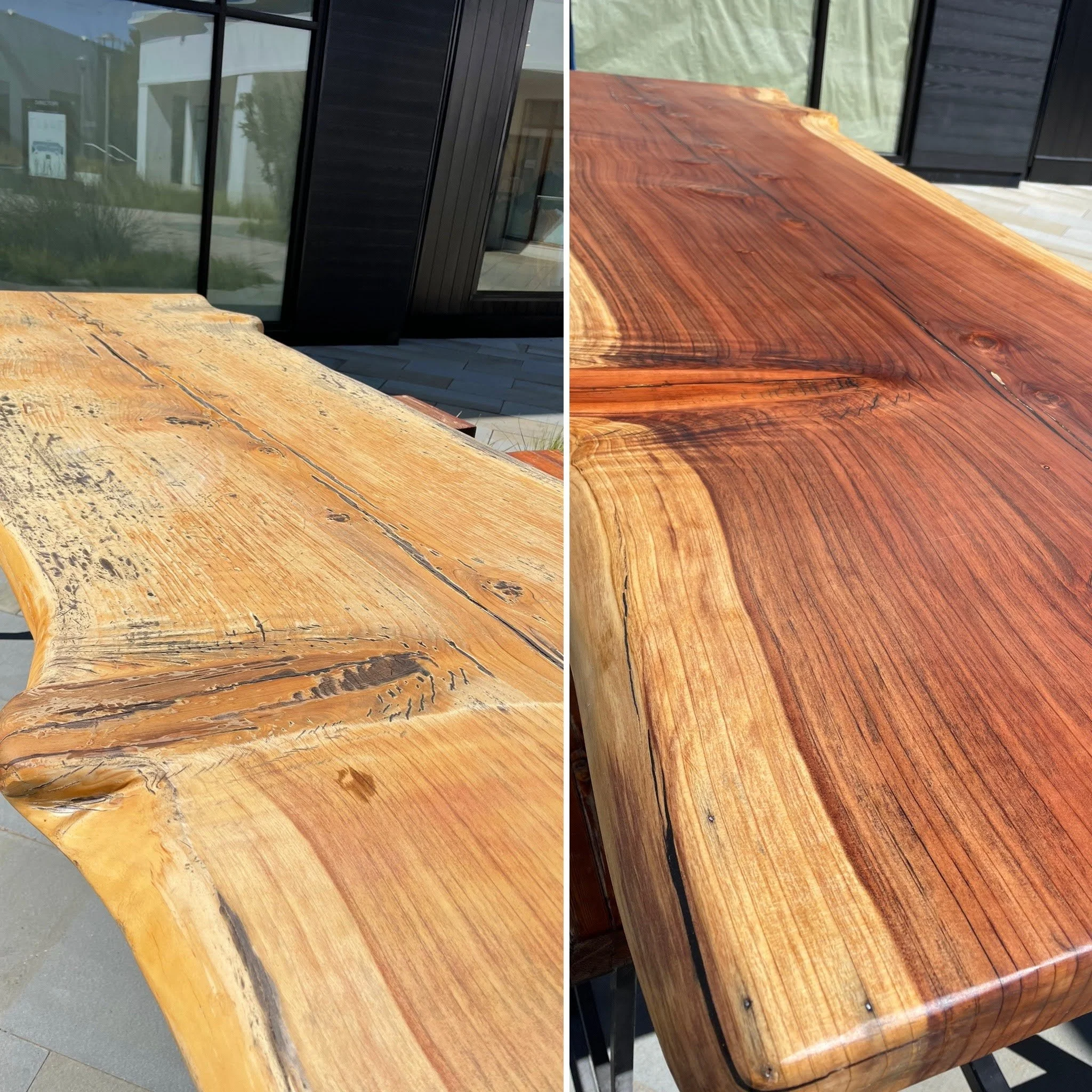
Wooden furniture refinishing is a high-yield strategy for extending the lifecycle of valuable corporate assets. By choosing to restore rather than replace, organizations can achieve significant cost savings, directly support their sustainability mandates, and maintain a pristine corporate environment that reflects their commitment to excellence.